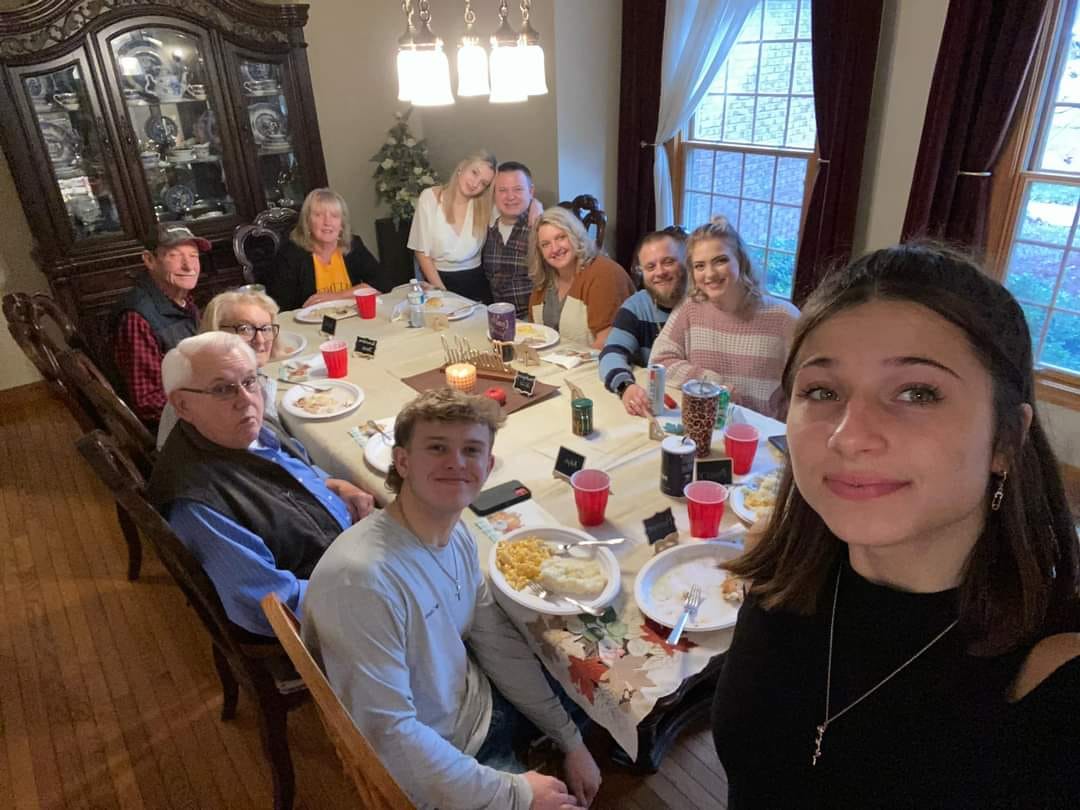
When people think about cultural exchange, they often picture passports, international travel, and trips to faraway places. But for families who host exchange students, meaningful cultural exchange happens right at home. Gathered around the dinner table, students and families naturally share their traditions, perspectives, and life experiences through everyday conversation.
Nominations for the AYA Host Family of the Year illustrate this beautifully. Again and again, we heard from exchange students and families who stressed the power of getting together every night and sharing a meal.
Discover how hosting an international exchange student can turn everyday family moments into meaningful cultural exchange.
How Dinner Can Facilitate Cultural Exchange at Home
Sharing a meal brings everyone to the same table. For families, it’s a time to enjoy good food and connect with one another through ordinary conversations. Hosting an international high school exchange studentturns a routine family dinner into something special: an opportunity to expand your worldview and learn about another culture.
Hanan from Thailand, hosted by the Resendez family, explained that dinner was her favorite time of day, as it provided room for conversation and connection:
“If I have to choose my favorite time, I am surely gonna choose the time during dinner and after dinner. It really meant a lot to me because everyone talks about their day, and that’s the beauty of dinner time.”
Dinner conversations create natural opportunities for students and host families to ask questions and learn about one another’s backgrounds. A conversation about favorite foods can lead to discussions about cultural traditions and holiday celebrations, talking about school can reveal differences in educational systems, and sharing stories from childhood can uncover surprising similarities across cultures.
For many families, these conversations become one of the most valuable benefits of hosting an exchange student.

Sharing Culture Through Everyday Life
Another rewarding aspect of hosting an exchange student is that cultural learning becomes part of daily life. Families don’t need to be experts in international cultures or world travel enthusiasts to benefit from cross-cultural experiences. Just the act of welcoming a student into regular routines opens the door to learning on both sides.
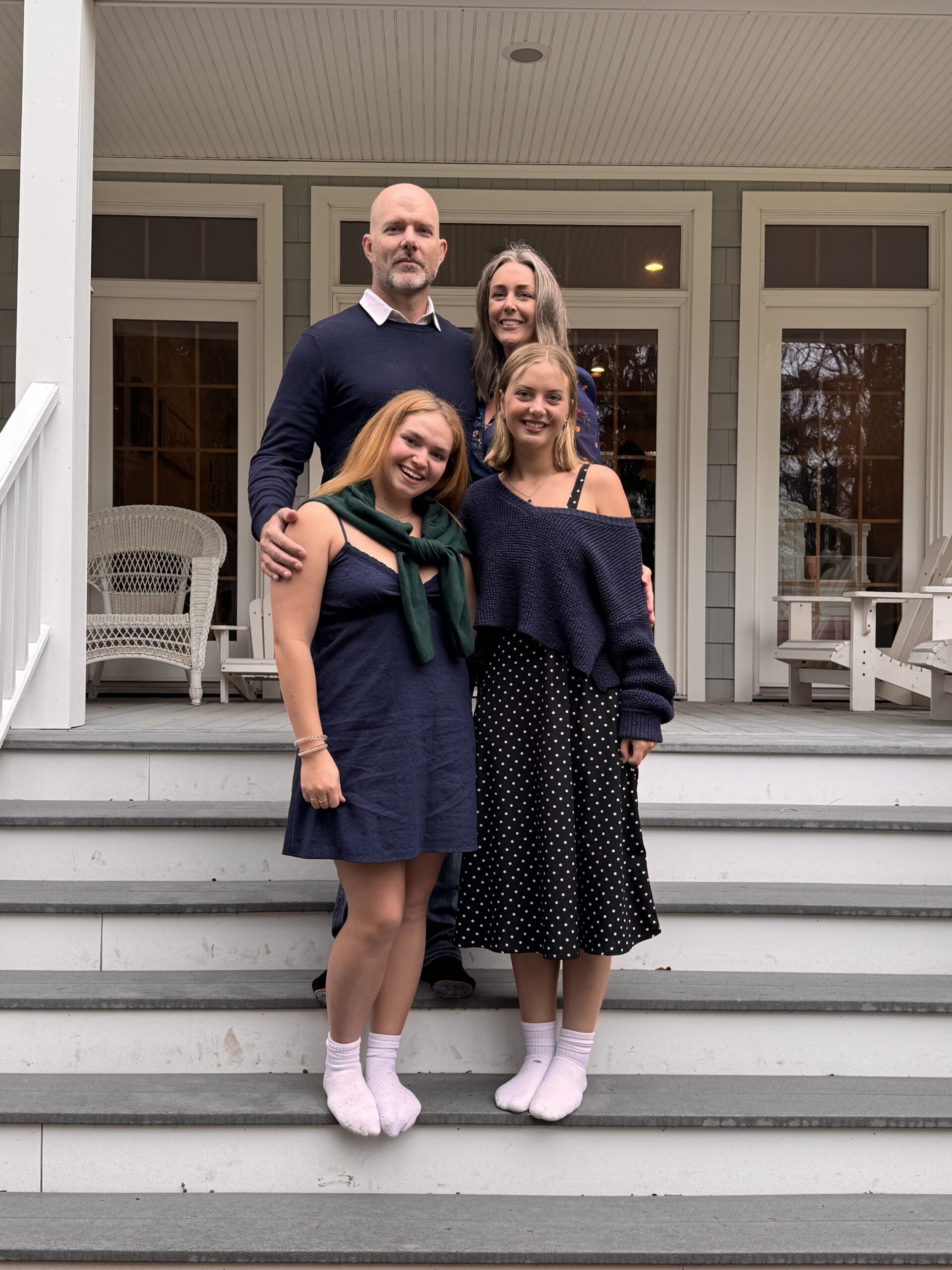
Chakir from Belgium experienced this firsthand with the Moran family:
“I [appreciated their willingness] to share their culture. Since my [host] family is a mix of Mexican and American culture, they obviously had a lot to make me discover, and it was an amazing part of my experience.”
For Chakir, cultural exchange wasn’t limited to learning about American traditions. Through his host family’s blended Mexican American heritage, he gained exposure to multiple cultures within one household.
Similarly, Maria from Italy reflected on how cultural exchange became part of everyday life with the Odom family:
“What makes them really special is how they include me in their everyday life—family dinners, traditions, trips, and even simple moments that turned into my favorite memories. … They are genuinely interested in my culture and always take the time to listen and understand me. At the same time, they have helped me discover and appreciate their culture in such a meaningful way.”
Family Conversations Create Global Perspectives
In a nomination submitted by Local Coordinator Corey Tracey, the Flora family was recognized for the way they supported Jonas from Germany throughout his exchange experience. Corey noted that host mom Vanessa, whose mother immigrated from Germany, helped Jonas feel at home by sharing her American culture and the German culture she grew up with. Corey also praised Jonas’s host dad, Jason, whose professional background sparked meaningful discussions:
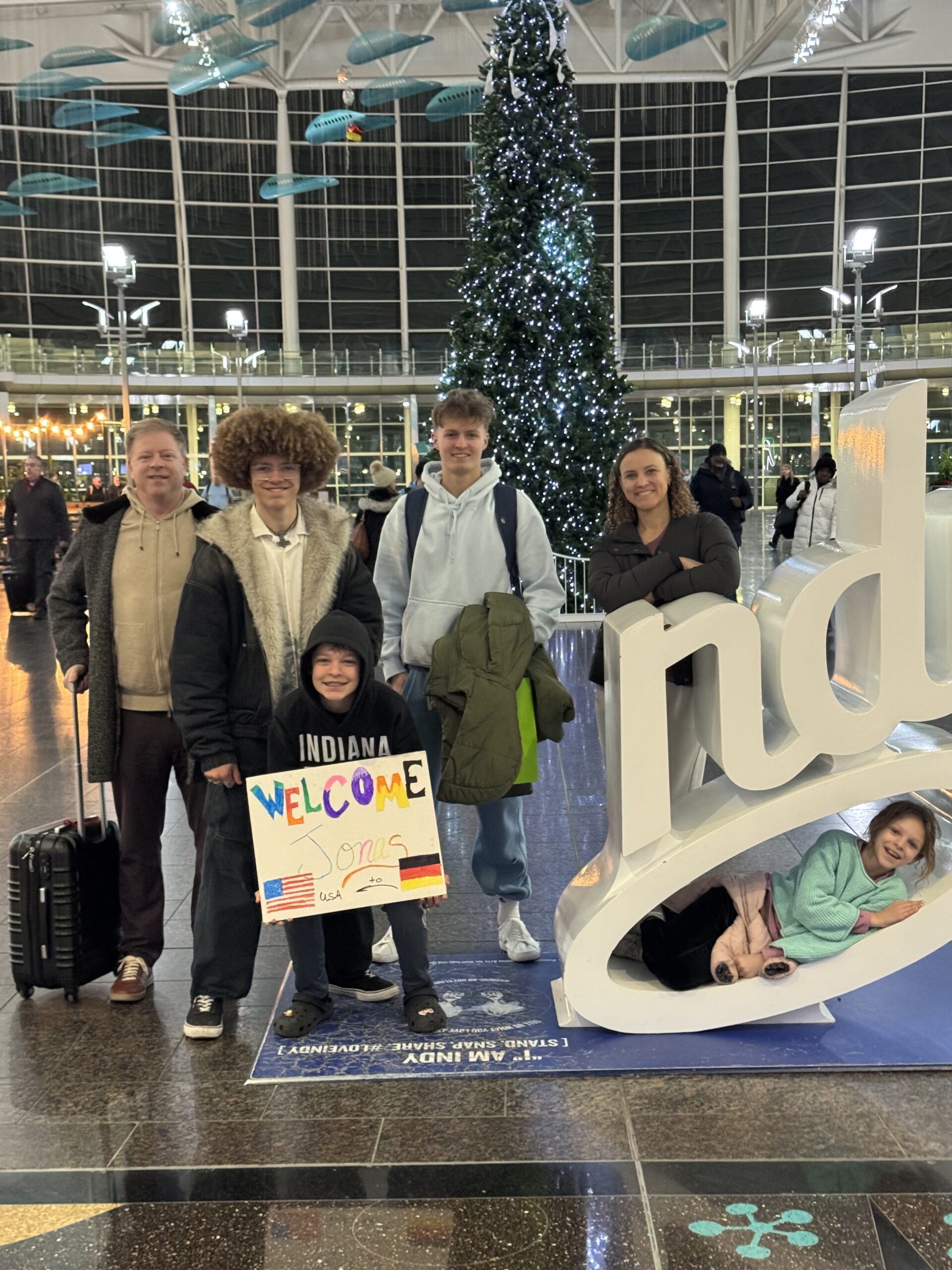
“Vanessa, daughter of a German immigrant, truly made Jonas feel like he was at home, sharing not only her U.S. culture, but the culture she grew up with. Jason, an immigration attorney in Indianapolis, truly showed his insights into policy [and] change.”
These conversations offered Jonas a deeper understanding of American perspectives while giving the host family opportunities to learn from his experience as well.
Cultural exchange often happens through these authentic moments of discussion. Whether families are talking about current events, family traditions, religious practices, holidays, education systems, or daily life in different countries, students and host families gain insights they might never encounter otherwise.
Learning Goes Both Ways
One common theme is the idea of mutual cultural exchange. This is one of the many benefits of hosting an exchange student: not only does the student learn about American culture, but your family learns about the student’s culture, too.
Milana from Turkmenistan, hosted by the Rose family, was especially touched by her host family’s willingness to embrace her culture:
“They are doing everything they can to give me an unforgettable exchange experience, and they truly succeed. I also really appreciate how they take an interest in my culture and even try to learn my language.”
Taking some time to learn a few words in a student’s native language, trying a traditional recipe, celebrating holidays from their home country, or asking thoughtful questions about their culture can go a long way in the eyes of an exchange student. It shows them that you care about them and helps students feel valued, even as your family expands their own perspectives. The result is a deeper appreciation for both differences and shared human experiences.
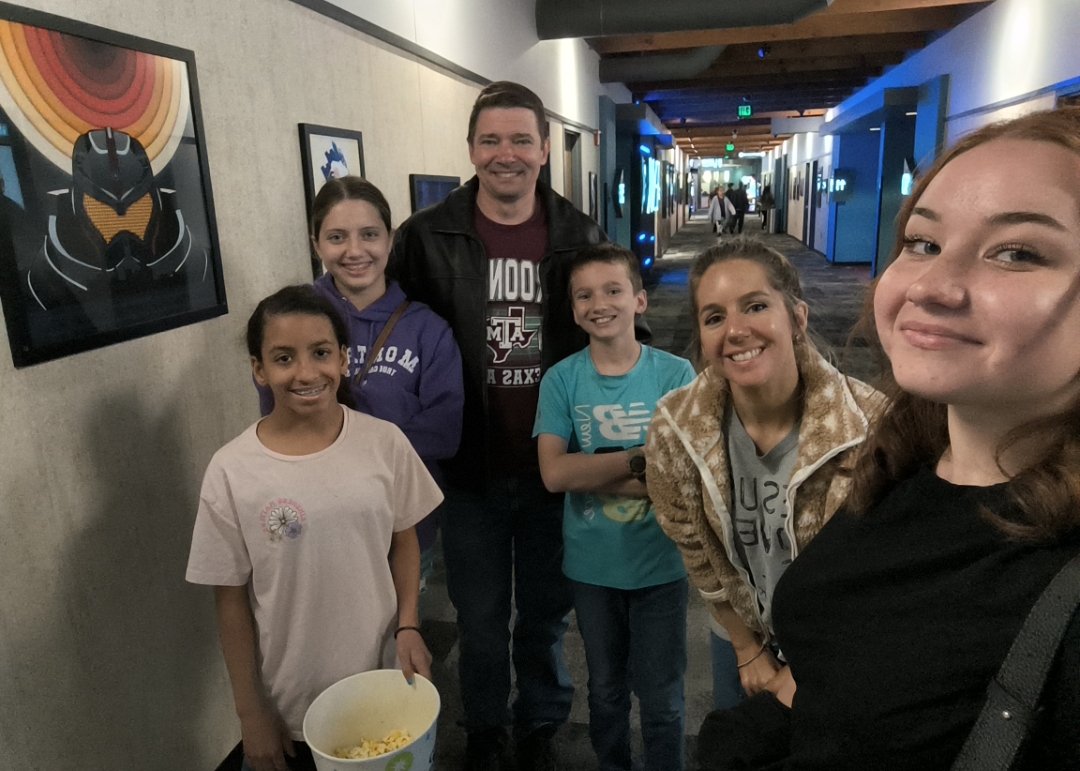
Set the table for cultural exchange at home—host an international student with AYA.
The stories from the Host Family of the Year nominations show that families don’t need to travel to experience the benefits of cultural exchange. When you host a high school exchange student with AYA, cultural exchange happens through family dinners, holiday traditions, board games, conversations about daily life, language learning, and taking an interest in someone else’s perspective. It happens when families invite exchange students to participate in ordinary moments and when students share pieces of their own culture in return.
By choosing to host an exchange student, families create opportunities for mutual learning that can broaden perspectives and build lifelong connections. Sometimes, the most powerful cultural experiences happen right across the dinner table—no plane ticket required.
Leave a Reply