
International high school students who want to come to the U.S. to live with a host family have two main options: the J-1 and F-1 visa programs. Both visa programs serve as gateways to high school exchange, providing opportunities for international exchange students and American host families to gain unforgettable intercultural experiences. Despite their similarities, the values that drive the J-1 and F-1 visa programs—and the overall experience each offers—differ. Understanding these differences can help you decide which program best aligns with your family’s goals and expectations when it comes to hosting a high school exchange student.
Interested in hosting a high school exchange student? Discover whether hosting through a J-1 or F-1 visa program is right for you!
Comparing J-1 and F-1 Visa Programs for High School Exchange
Although both F-1 and J-1 programs are official Department of State visa programs that allow international exchange students to live with a host family in the U.S. and attend a local high school, each program is structured differently. If you’re considering hosting a high school exchange student, it’s important to know what sets these programs apart.
Key differences between the F-1 and J-1 visa programs include:
- Duration: J-1 visa programs allow exchange students to come for one semester or a full academic year, while F-1 visa holders may remain in the U.S. for up to four years through direct school enrollment.
- Compensation: J-1 host families are unpaid volunteers; F-1 host families may receive a small stipend.
- Student affordability: Exchange students pay for both F-1 and J-1 visa programs; however, J-1 programs are generally more affordable.
- School choice: Students with F-1 visas can select the school they will attend in the U.S., which is often a private high school. J-1 exchange students are placed by their program provider (such as AYA), who works closely with school administrators to ensure academic success.
- Agency support: J-1 visas require sponsorship by a U.S. Department of State-designated organization that supports exchange students and host families throughout the program. F-1 visa holders may receive limited or no third-party support.
Supporting Authentic Cultural Exchange & Broader Access: The J-1 Difference
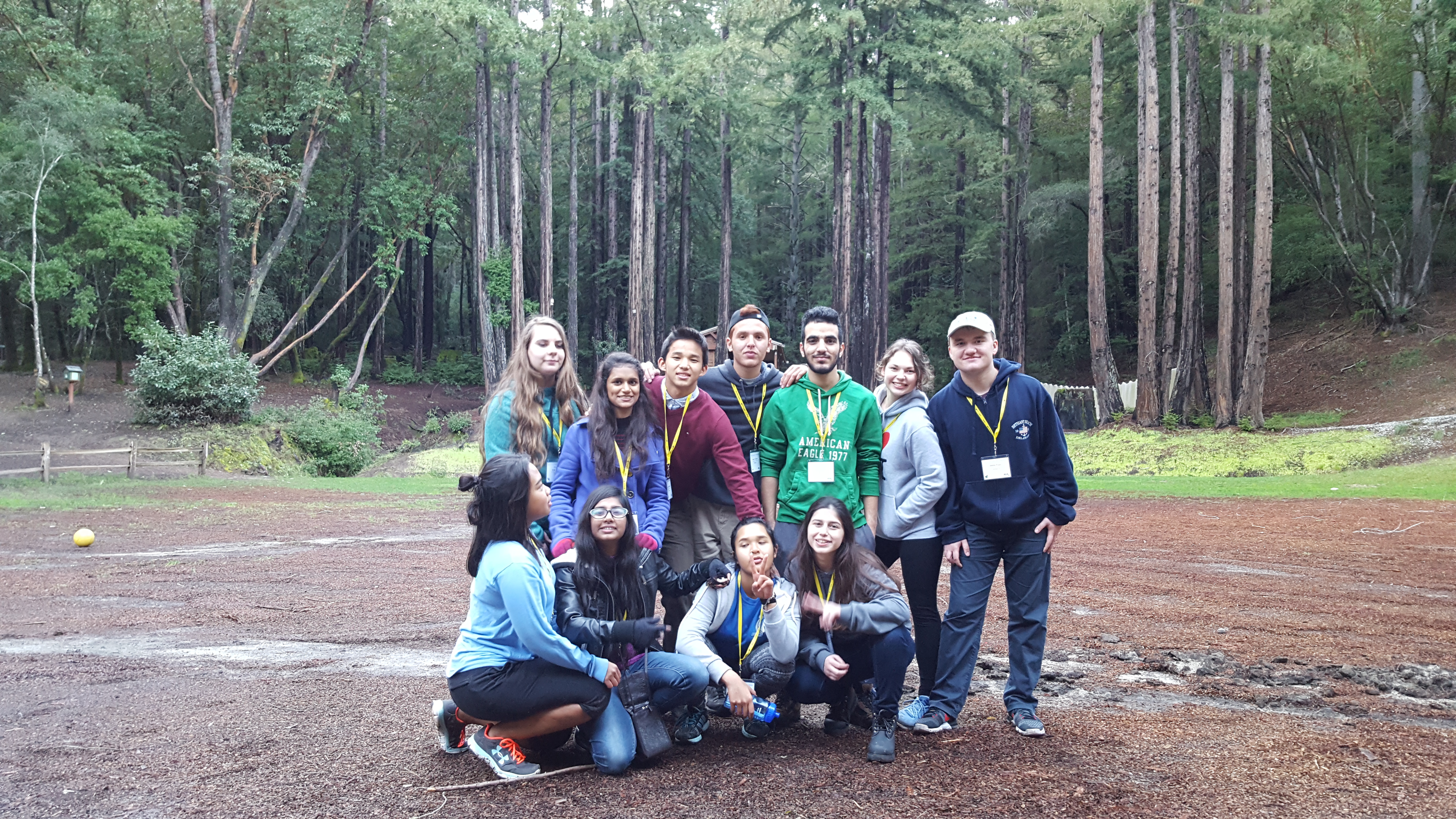
F-1 and J-1 high school exchange programs both support cultural exchange, but the emphasis on genuine cultural immersion and community connection is where J-1 programs truly shine. J-1 students receive a well-rounded education throughout their program, but they come to the U.S. first and foremost for cultural exchange. These exchange students are interested in learning about American culture, understanding daily life in our country, making an impact on local communities, and bonding with their host family. In contrast, F-1 exchange students generally prioritize academics over cultural immersion.
Additionally, because J-1 host families do not receive compensation for hosting an exchange student, their participation is rooted in volunteerism and giving back. J-1 host families often find the experience especially meaningful, knowing they are helping make a student’s dream of studying in the U.S. possible—an opportunity that may not otherwise be financially accessible for the student through an F-1 visa.
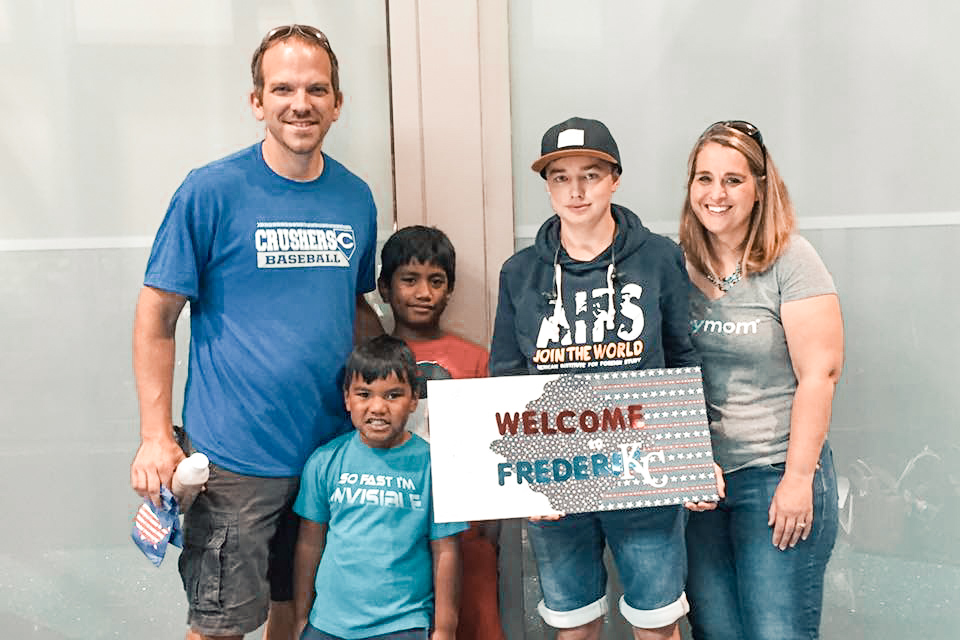
One of the biggest reasons host families and exchange students choose J-1 visa programs is the level of support provided throughout the experience. Unlike F-1 students, who may directly enroll in schools and navigate their experience with minimal outside guidance, J-1 participants receive comprehensive support from a Department of State-designated organization like AYA. This includes pre-program preparation such as host family orientation, along with ongoing, in-person support from a local representative dedicated to student and host family well-being, and program compliance, resulting in a positive exchange experience for everyone involved.
Whereas F-1 programs are focused primarily on academic excellence, J-1 programs emphasize cultural exchange and meaningful international connections—while still providing a rewarding educational experience for students with strong academic records.
Make a difference in your community and in an exchange student’s life—host a high school exchange student with AYA!
In addition to making international exchange more accessible for students, AYA provides dedicated support for host families every step of the way. You’ll be supported by an AYA Local Coordinator from your community who offers in-person guidance and ongoing assistance. Our full-time staff at AYA’s national headquarters in Stamford, CT, are also available to support you through the application and matching process and provide 24/7 emergency assistance throughout the program.
Ready to discover the difference with an AYA J-1 high school exchange program?
Leave a Reply